
| Takeaway | Detail |
|---|---|
| No legal ₹500 minimum applies; exchange order floors govern. | Indian law sets no minimum crypto investment; main apps are about ₹100, with CoinDCX at a ₹100 minimum order value on INR. |
| A ₹500 TRX buy is viable only if the named exchange’s live TRX/INR minimum is ≤₹500. | Check the live order minimum before funding; the thesis makes this the binding constraint, not a legal ₹500 floor. |
| The INR bank/UPI rail must be verifiably open before funding. | Confirm a working INR deposit/withdrawal rail; bank block risk changes the answer if the rail is closed. |
| Record fee plus 18% GST, 1% TDS, and 30% tax before the ₹500 test buy. | Grounding lists 30% tax, 1% TDS, and 18% GST; the reader rule requires recording these before placing only a ₹500 test buy. |
A ₹500 TRX purchase in India is possible when a named exchange’s live TRX/INR order minimum is ₹500 or less and its INR bank/UPI rail is verifiably open.
If that live minimum exceeds ₹500 or the INR rail is blocked, the purchase is not viable at that amount.
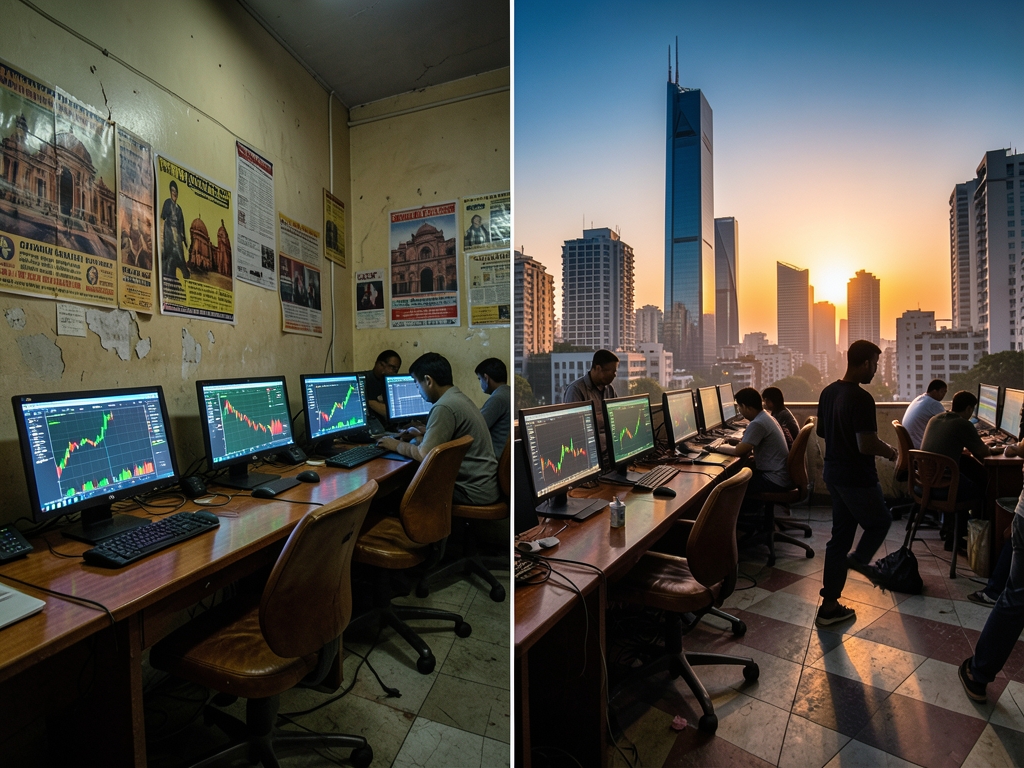
Verify TRX/INR rail before spending ₹500
Open the exchange's live TRX/INR order form and record the minimum order value shown there; do not rely on blog screenshots or third-party summaries for the current floor. CoinDCX, for example, publishes a ₹100 minimum order value on its INR market according to bestcryptoindia.com, but each platform sets its own threshold and the figure can change without notice. Confirm the quote currency is INR, not USDT or another stablecoin, because a USDT-quoted pair introduces a second conversion step and a different minimum.
Check the exchange's status page for INR deposit and withdrawal availability, then verify the same rail in your bank or UPI app before funding. Treat bank-block risk as a rail-status check, not a rumor: if the exchange shows deposits open but your UPI transaction fails or times out, the rail is effectively closed for you. Execute a small test deposit and withdrawal in an amount well below ₹500 and confirm the round-trip completes in your bank statement before committing the ₹500 TRX buy.
Pull the exchange's live fee line for the TRX/INR spot market and compute the all-in cost using the tax stack reported by tradebrains.in: 18% GST on the exchange fee, 1% TDS on the gross consideration, and 30% tax on any gain at disposal. For a ₹500 test order, the buy-side cost is the exchange fee plus 18% GST on that fee plus 1% TDS on ₹500; the sell-side cost will repeat the fee plus GST plus another 1% TDS on the sale proceeds, with 30% tax due on the net profit at filing. Record each component separately so the ledger matches the tax return.
Only place the ₹500 TRX test buy after all three verifications pass: live minimum ≤₹500 in INR, confirmed working INR deposit/withdrawal round-trip, and a recorded all-in cost sheet that includes fee, GST, TDS, and the 30% tax obligation. If any check fails — minimum above ₹500, rail down, or fee line unavailable — treat the session as a no-buy and re-evaluate when the exchange publishes a qualifying order form and rail status.

What the ₹100 floor and tax sources prove
The claim that ₹500 is some legal threshold for buying TRX in India does not survive contact with the sources. bestcryptoindia.com states plainly that there is no minimum amount set by law to invest in crypto in India; each exchange sets its own minimum order, and on the main Indian apps it sits at about ₹100, with CoinDCX cited as setting a ₹100 minimum order value on its INR market. A July 25, 2026 piece on pro.edgex.exchange frames the same number in its title — "Rs 100 Is the Floor, Not the Starting Point" — and a June 19, 2026 tradebrains.in article supplies the tax side of the picture: 30% tax, 1% TDS, and 18% GST. The convergence is on ₹100 as an exchange-level order floor, not on ₹500 as any kind of statutory line.
| Source | Date | What it establishes |
|---|---|---|
| bestcryptoindia.com | Undated | No legal minimum; main Indian apps about ₹100; CoinDCX example ₹100 INR minimum |
| pro.edgex.exchange | Jul 25, 2026 | "Rs 100 Is the Floor, Not the Starting Point" |
| tradebrains.in | Jun 19, 2026 | 30% tax, 1% TDS, 18% GST |
Read the ₹100 figure for exactly what it is: an order minimum on a named exchange's INR market, not a safe starting budget. pro.edgex.exchange makes the distinction explicit in its conclusion — the floor is where an order becomes valid, while the starting point should be an amount that can be lost entirely without financial hardship, given crypto's price volatility. Those are two different tests, and passing the first tells you nothing about the second. A ₹500 order clears a ₹100 floor comfortably; that fact alone is not a reason to place it.
The tax figures from tradebrains.in belong in the same pre-buy record as the minimum, not in a separate exercise afterward. Before funding, write down the exchange's stated fee, the 18% GST on that fee, the 1% TDS, and the 30% tax treatment as the source describes them, so the ₹500 test is evaluated on its full cost rather than its headline size. The sources prove the floor is ₹100 and that these tax lines exist; they do not prove ₹500 is required, protected, or optimal. Treat the ₹100 convergence as the reason the ₹500 myth fails, and treat the live order form as the only figure that authorizes an order.
₹500 buying options: winner and no-buy
As established above, the verify-first rule begins with the exchange’s live order form, and the CoinDCX ₹100 INR minimum cited from bestcryptoindia.com satisfies the ≤₹500 threshold only if the live page still shows it at the moment of checkout. Confirm the displayed minimum on your own screen before funding; do not assume it from the earlier citation.
If the live minimum is ≤₹500, the next binding constraint is the INR deposit and withdrawal rail. Verify that a confirmed working INR bank or UPI rail is open before funding the account. A verified rail means the exchange accepts INR deposits via the chosen method and allows INR withdrawals to the same path without pending flags. Only after both the minimum order check and the rail confirmation should the reader proceed to fund the account.
When both conditions are met, the reader places a ₹500 test buy, but the cost stack begins immediately. Per the tax figures cited from tradebrains.in, the buy-side includes the exchange’s trading fee, 18% GST applied to that fee, and 1% TDS on the gross consideration. The sell-side mirrors this: the fee plus 18% GST on the fee, another 1% TDS on the sale value, and 30% tax due only on any net gain at filing. Record the exact fee quoted by the exchange before committing the ₹500, as the final INR outflow will differ from the nominal ₹500 by these layered charges.
Cost stack for a ₹500 TRX test order
A ₹500 TRX test order has two cost stacks, and you need both before you fund anything. The buy-side formula is: ₹500 + exchange fee + 18% GST on that fee + spread. tradebrains.in gives the 18% GST figure, but the fee itself must come from the exchange's live fee page on the day you buy, not from an old blog post that may quote a rate the exchange has since changed. The spread is the gap between the quoted TRX/INR price and the price you actually fill at; on a small order it can quietly exceed the fee, so record the quoted price and the filled price and subtract them.
The sell-side formula is: sale proceeds − exchange fee − 18% GST on that fee − 1% TDS − 30% tax on the gain. tradebrains.in lists the 1% TDS and the 30% tax, and both must be checked against your actual sale rather than assumed from the article. The TDS applies to the sale value, so on a ₹500 exit it is a small absolute number, but it is deducted whether you profit or not. The 30% tax applies only to the gain, so if the test order loses money there is no gain to tax — but the TDS and fees still come out.
Run the break-even check as a gate, not a formality. Add the buy fee, the GST on it, the spread cost, the sell fee, the GST on that fee, and the expected TDS. If that total consumes the amount you are willing to lose on a ₹500 test, skip the order. This is a cost gate: it tells you whether the test is worth running at all, not whether TRX will go up.
| Line | Buy side | Sell side |
|---|---|---|
| Principal | ₹500 | Sale proceeds |
| Exchange fee | Live quote | Live quote |
| GST | 18% of fee | 18% of fee |
| Spread | Quoted vs. filled price | Quoted vs. filled price |
| TDS | — | 1% of sale value |
| Tax on gain | — | 30% of gain |
Fill the table with the exchange's live numbers before you deposit. If any cell is blank because the exchange does not publish it, treat that as a reason to pause, not a reason to estimate. A ₹500 test is only informative if you know its full cost before the money leaves your bank.
When the ₹500 verify-first rule breaks
The edge cases turn on the exchange’s live order screen and the rail’s current state. The decision points can be mapped like this:
Frequently Asked Questions
Is there a legal ₹500 minimum investment requirement for crypto in India?
No legal ₹500 minimum applies; exchange order floors govern Indian crypto investment.
What is the minimum order value for TRX on CoinDCX in INR?
CoinDCX has a ₹100 minimum order value on its INR market for TRX.
Can a ₹500 TRX purchase proceed if the exchange's live TRX/INR minimum exceeds ₹500?
A ₹500 TRX purchase is not viable if the named exchange's live TRX/INR minimum exceeds ₹500.
What must be verified before funding an INR deposit for TRX purchase?
A working INR deposit/withdrawal rail must be confirmed open; bank block risk changes viability if the rail is closed.
What taxes and fees apply before placing a ₹500 test buy of TRX?
Record fee plus 18% GST, 1% TDS, and 30% tax before the ₹500 test buy.
Is a ₹500 TRX purchase possible if the INR bank/UPI rail is blocked?
A ₹500 TRX purchase is not viable if the INR bank/UPI rail is blocked.
Quick answers
| Is there a legal ₹500 minimum investment requirement for buying Tron crypto in India? | No legal ₹500 minimum applies; exchange order floors govern. |
| What is the minimum order value for Tron on CoinDCX in Indian Rupees? | CoinDCX publishes a ₹100 minimum order value on its INR market. |
| What must be verified before attempting a ₹500 Tron purchase in India? | The live TRX/INR order minimum on the named exchange must be ₹500 or less. |
| What risk does bank blockage pose to buying Tron with ₹500 in India? | If the INR bank/UPI rail is blocked, the ₹500 purchase is not viable. |
| What taxes and fees must be recorded before placing a ₹500 Tron test buy in India? | Record fee plus 18% GST, 1% TDS, and 30% tax before the ₹500 test buy. |
Also worth reading: How card networks block crypto buys in 2026: 12% fee vs. authorization denial: How card networks block crypto · How to turn a 10 dollar Bitcoin buy into long term wealth: How to turn a 10 · How to buy Bonk coin fast the easiest way possible: How to buy Bonk coin